Machine Guarding for the Robotic Automation Industry
Industry use-cases and safety challenges across welding, palletizing, assembly, cobots, and machine tending. Learn how guarding fits each application — then configure or buy complete systems on our robot guarding page.
Robotic Automation Industry Challenges
Robotic cells feature fast, powerful, and repetitive motion that can cause severe injuries from collisions, pinch points, entanglement, or unexpected starts. Human-robot interaction adds complexity, especially with collaborative robots.
Effective guarding protects operators and maintenance staff while allowing safe teaching, programming, and troubleshooting — all while meeting ANSI/RIA R15.06, ISO 10218, and OSHA standards.
This industry page covers where and why guarding is needed by application. For product specs, configurators, and quotes, go to our commercial robot guarding systems page.
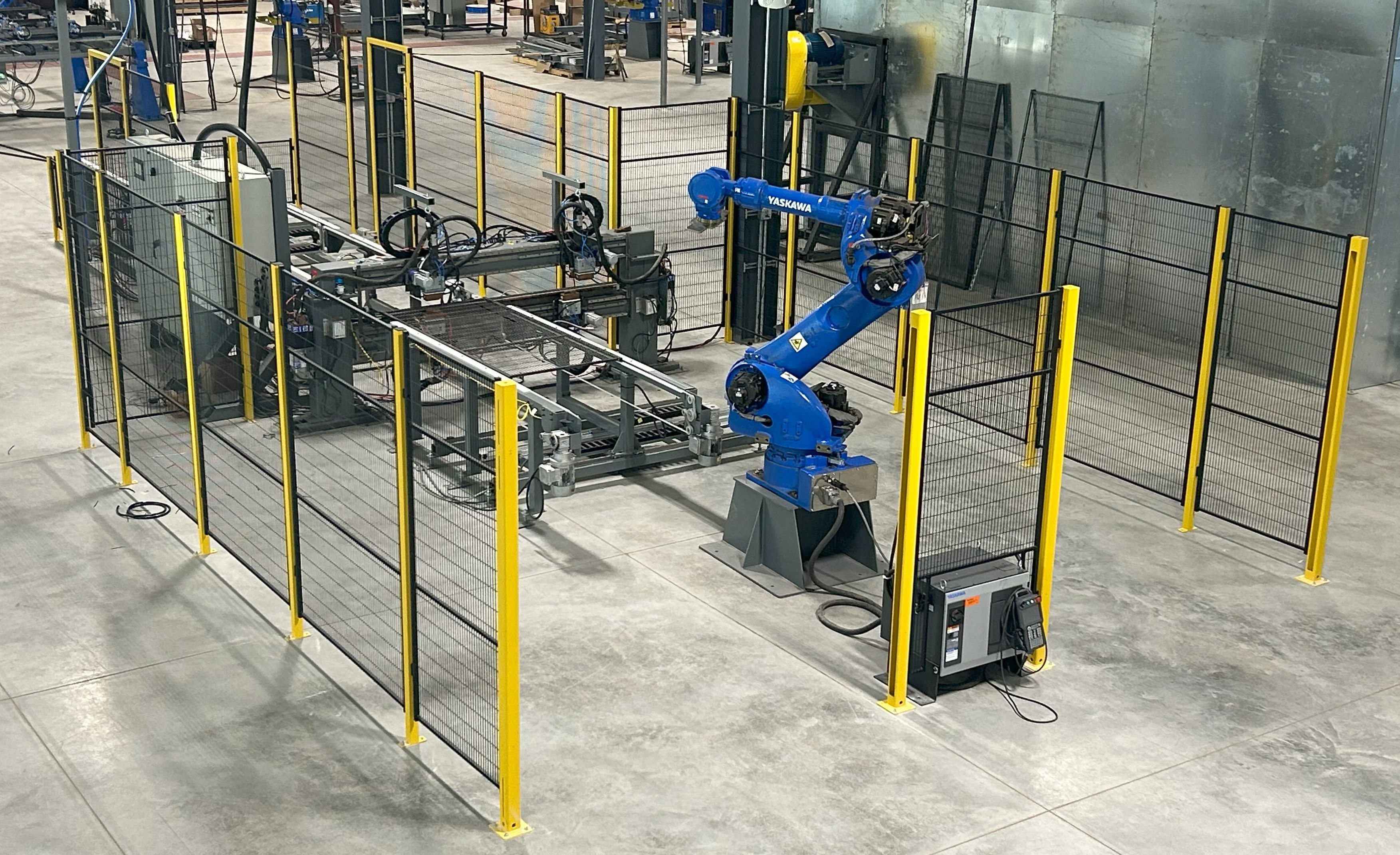
Robotic Automation Applications We Support
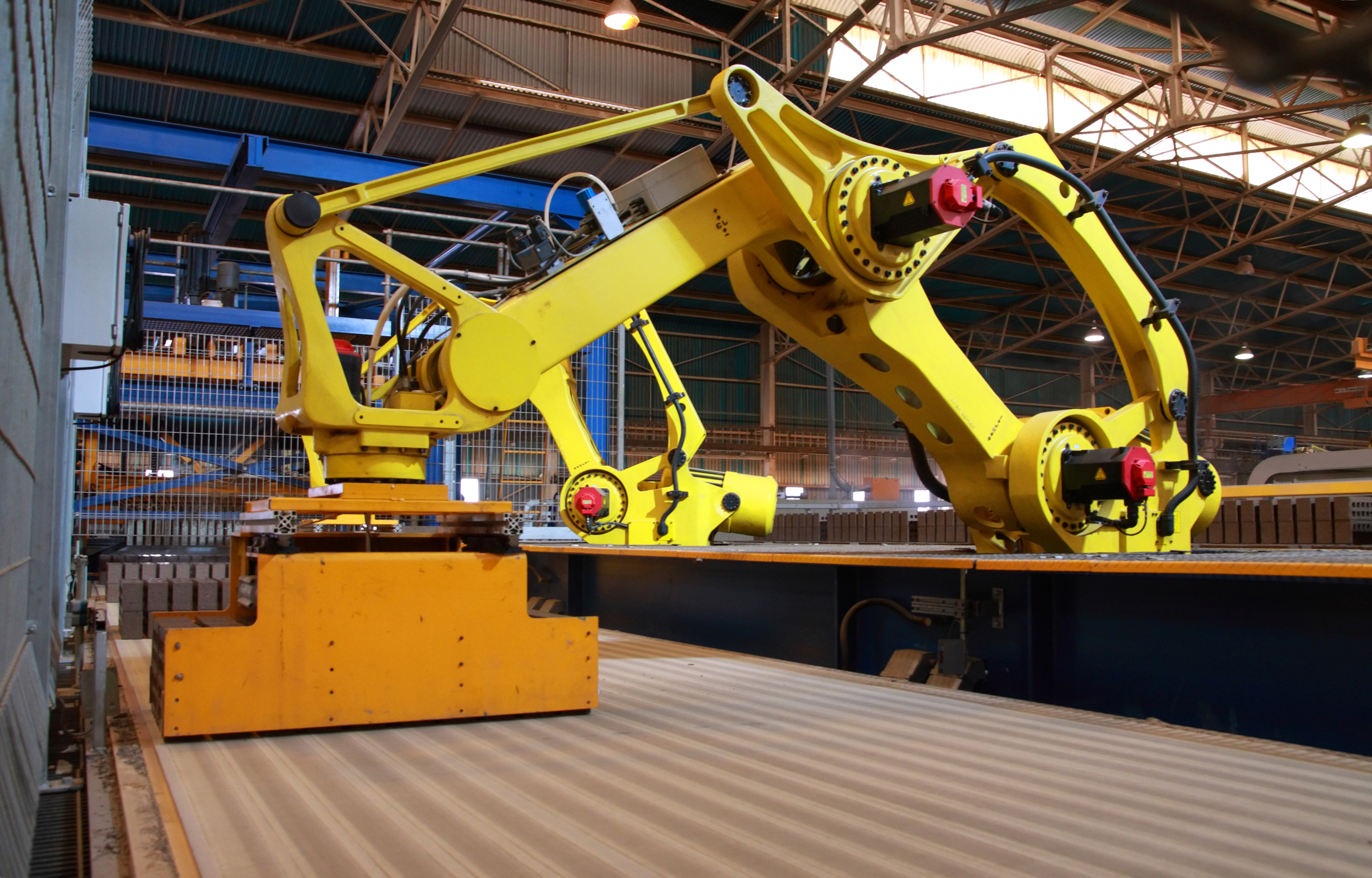
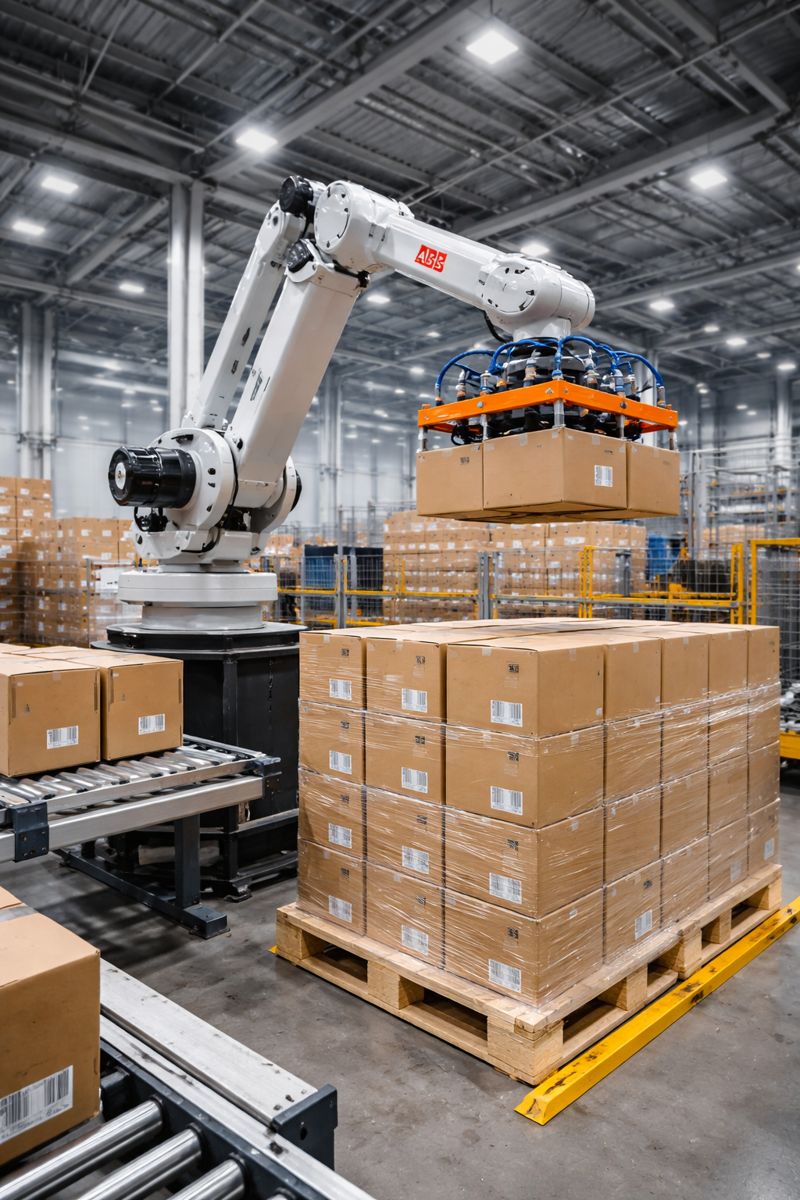
Material handling robots
Pick-and-place, palletizing, and transfer robots with cell enclosures.
Welding robots
Pre-attached weld screen guarding for arc, spot, and laser welding.
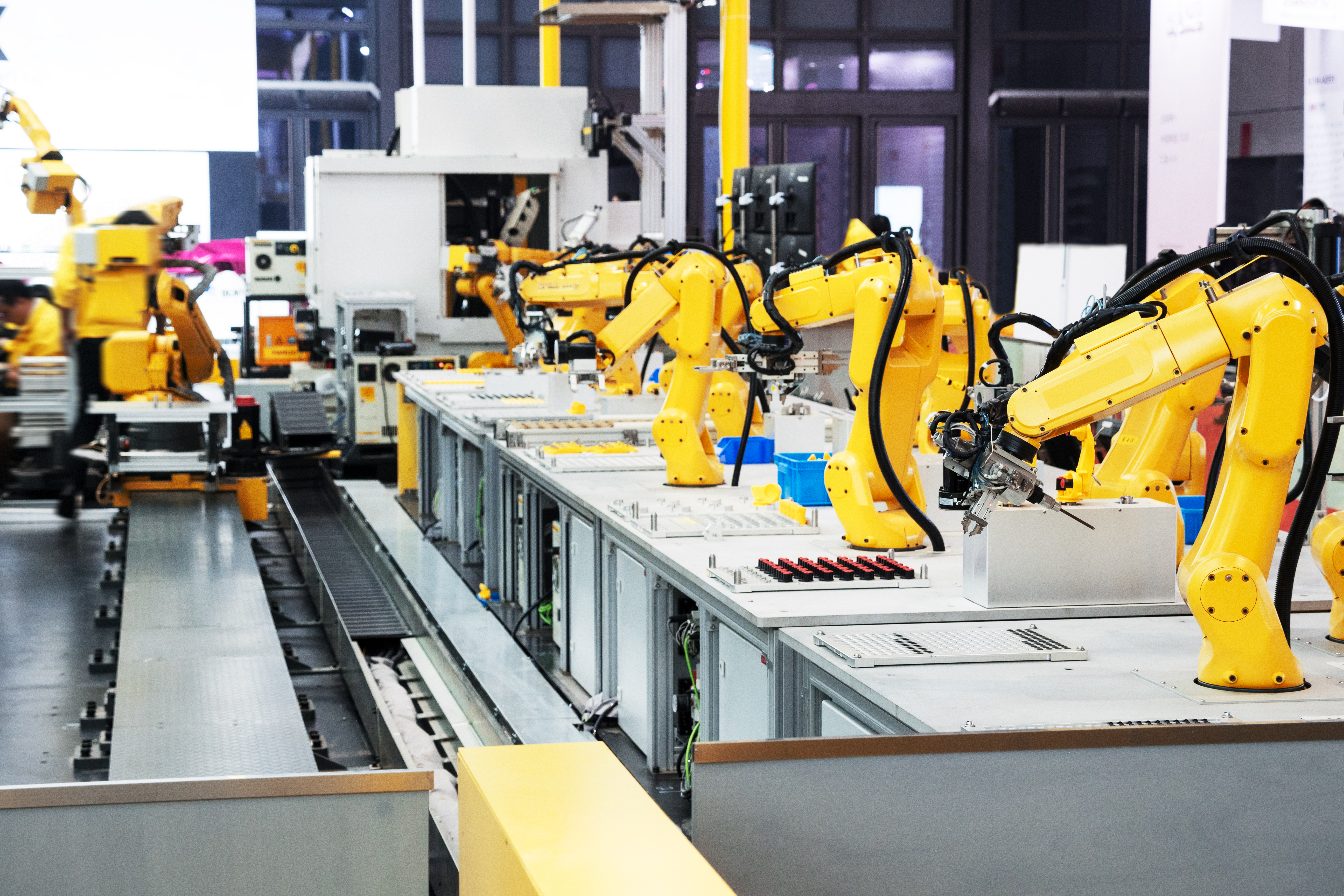
Assembly robots
Precision assembly cells with interlocked access and light curtains.
Collaborative robots (cobots)
Force-limited, speed-reduced, and sensor-based safety for human-robot collaboration.
Machine tending robots
Guarding for CNC, press, and injection molding tending applications.
High-payload industrial robots
Heavy-duty enclosures and scanners for large-scale automation.
Related Industries
Ready to specify a robot guarding system?
This page covers industry use-cases. Panels, doors, posts, configurators, and quotes live on our commercial robot guarding systems page.
Explore Robot Guarding Systems →Need Help Matching Guarding to Your Application?
Tell us your robot type, process, and facility constraints — our engineers will map the right system from panels and doors to interlocks and light curtains.